Commercial Irrigation Spring Startup in Charlotte and Statesville: What Property Managers Need to Know
Commercial Irrigation Spring Startup in Charlotte and Statesville: What Property Managers Need to Know
For property managers in Charlotte, Statesville, and the Piedmont region, scheduling a professional spring startup between March 15 and April 15 is crucial for turf health and budget control, setting the tone for a successful growing season.
At Tim Johnson Landscaping, we see the same patterns every year across our Statesville and Charlotte service areas. Properties that invest in a professional spring startup inspection feel more assured that their system will perform reliably all season.
Skipping it or relying on a general crew often leads to unexpected problems and frustration.
Why Spring Startup Is More Than Flipping a Switch
After a winter shutdown, your irrigation system has been dormant for months. In the Charlotte metro and Iredell County, winters are unpredictable. A mild January can give way to a hard freeze in February, and the freeze-thaw cycles that characterize a Piedmont winter create real stress on buried lines, valves, and sprinkler heads even when temperatures never drop to single digits.
That climate reality matters for startup timing. In our region, the Piedmont sits in a transition zone where cool-season fescue and warm-season Bermuda and Zoysia both appear on commercial properties. Fescue lawns are already entering active growth by late February, while Bermuda doesn’t come out of dormancy until soil temps consistently hit 65 degrees, usually mid-April.
Getting startup timing and zone runtime calibration right for your specific turf mix is something a trained technician handles. A generic crew turning on a system without that knowledge often either starts fescue zones too late or runs Bermuda zones before the grass can use the water.
Running an uninspected system risks silent damage like misaligned heads or stuck valves, which can lead to costly repairs and higher utility bills for your property.
On HOA properties and multifamily communities, the irrigation system directly affects turf quality, plant health, and curb appeal—all of which residents notice. Research consistently shows landscaping quality is one of the top factors in tenant retention, and problems that start in March become difficult conversations with boards and residents by June.
What a Professional Spring Startup Inspection Includes
There’s a significant difference between having a maintenance crew member turn on a system and having a trained irrigation technician conduct a true startup inspection. At TJL, startup inspections are performed by dedicated irrigation technicians, not general crew, and that distinction is reflected in the thoroughness of the work.
Our commercial irrigation program covers a full range of startup services, including:
Zone-by-zone system pressurization and activation to identify leaks, breaks, or failed components
Sprinkler head inspection and adjustment for coverage, alignment, and obstructions
Controller programming review and seasonal schedule updates
Valve and wiring inspection for signs of wear, corrosion, or winter damage
Flow sensor and smart controller verification, where applicable
Written documentation of findings and repair recommendations before issues become emergencies
Backflow prevention testing is also a critical compliance requirement. TJL manages the backflow testing process for our clients and coordinates with trusted, licensed subcontractors to ensure this is handled correctly and on schedule. One less thing on your plate.
The Mid-Season Mistake That Costs Property Managers the Most
Here is where we see things go wrong most often: a property completes a solid spring startup, then goes quiet on irrigation for the rest of the season. No mid-season checks. No proactive inspections. Just reactive calls when something is obviously damaged and costly repairs are needed.
By the time a problem is visible, stressed turf, dead plants, or a flooded zone, it’s usually been quietly developing for weeks. What could’ve been a ten-minute technician adjustment becomes a landscape repair with plant replacement costs and a resident complaint on record.
“The most expensive irrigation problems we fix are the ones that were easy to catch two months earlier. They just went uninspected.”
Common mid-season issues that proactive inspections catch before they escalate:
Heads that have shifted or been clipped by mowing equipment, causing dead or overwatered zones
Controller runtime settings that no longer match seasonal plant and turf water demand
Slow leaks in lateral lines that inflate water bills without producing visible surface damage
Clogged nozzles or rotors reducing coverage in critical turf areas during peak heat
For large commercial properties, we strongly recommend treating irrigation inspections the way you treat any other scheduled maintenance: on a regular calendar, not a reactive call list.
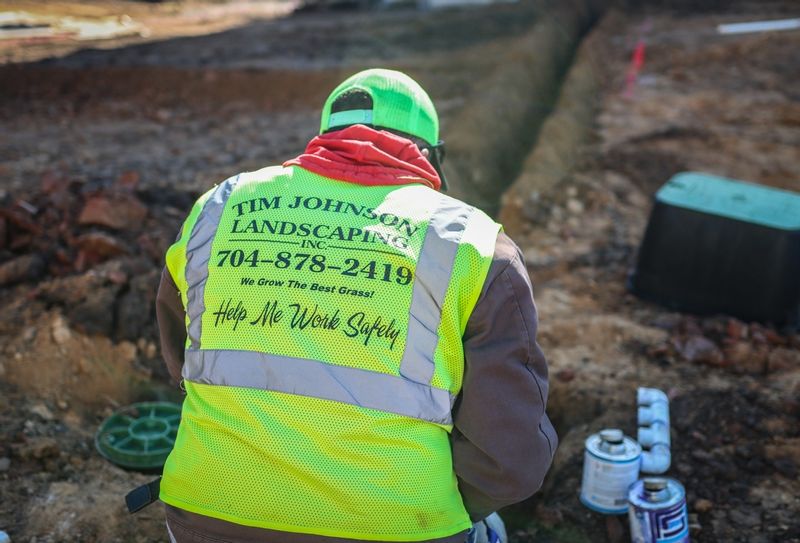
Spring Startup Checklist for Charlotte and Statesville Commercial Properties
Use this as a quick reference when evaluating your property each spring:
Schedule startup inspection between March 15 and April 15 for the Piedmont region
Confirm inspection is performed by a dedicated irrigation technician, not a general maintenance crew
Complete zone-by-zone pressurization, head check, and controller reprogramming
Verify or schedule annual backflow preventer testing with a licensed, certified tester
Adjust runtime schedules based on your turf mix: fescue, Bermuda, Zoysia, or mixed zones
Set a recurring mid-season inspection schedule (monthly recommended for larger commercial sites)
Confirm fall shutdown is already booked before the season ends
For Large Commercial Properties, Once a Year Is Not Enough
Spring startup gets systems running. But for large commercial properties, including HOA communities, multifamily complexes, Class A office campuses, and retail centers, a single inspection at startup is rarely sufficient to maintain system performance through a full growing season.
We recommend up to six irrigation inspections per season for larger commercial sites. Monthly check-ins allow your technician to make small, proactive adjustments as conditions change, rather than waiting for visible damage to trigger a service call.
For the property managers we work with, regular inspections also provide documentation. When a board member asks why a zone looks stressed, your account manager can show a dated inspection report with photos.
As we have written before, proactive communication is the most critical factor in a successful landscape partnership. Irrigation is no exception.
The Startup and Shutdown Bundle: A Smart Investment
We strongly recommend pairing a spring startup with a scheduled fall shutdown as a bundled service. The shutdown process properly drains and winterizes the system before the first freeze, protecting your infrastructure investment and ensuring next spring goes smoothly.
Properties that skip the fall shutdown often discover in March why they should not have. Cracked pipes, damaged backflow preventers, and failed valves are the predictable consequences of a system that was not properly winterized. Repairing that damage costs significantly more than the shutdown ever would have.
Bundling startup and shutdown also makes budget planning straightforward. You know what’s coming, when it is scheduled, and what it costs. No surprises.
What Sets TJL's Irrigation Program Apart
Our irrigation team operates as a dedicated service division, not an add-on to general maintenance.
Our technicians are trained specifically in:
System diagnostics
Smart controller integration
Water conservation programs
This includes flow sensor installation for properties wanting to reduce water usage without compromising turf health.
We also use the same account manager model for irrigation that we use across all of our services. Your account manager coordinates scheduling, communicates findings, and keeps you informed proactively, without you having to follow up.
Frequently Asked Questions: Commercial Irrigation Startup in Charlotte and Statesville, NC
When should I schedule an irrigation startup in Charlotte or Statesville, NC?
For most commercial properties in the Charlotte metro and Iredell County area, startup should be scheduled between March 15 and April 15. Late-season cold snaps can push into late March in the Piedmont, so starting too early risks cold damage to newly pressurized lines. TJL technicians factor local conditions and your turf mix into startup timing recommendations.
Is backflow testing required for commercial irrigation systems in North Carolina?
Yes. North Carolina state law requires backflow prevention assemblies on all irrigation systems connected to a public water supply, and commercial irrigation backflow preventers must be tested annually by a certified tester. Most municipalities in the Charlotte and Statesville area, including Mecklenburg and Iredell County systems, require passing test results to be submitted each year. TJL coordinates this process for our clients through trusted, licensed subcontractors.
How many irrigation inspections does a commercial property need each season?
For large commercial properties, including HOA communities, multifamily complexes, and office or retail campuses, we recommend up to six inspections per season. Monthly check-ins allow technicians to catch mid-season issues before they become visible, costly problems. Smaller properties may do well with a startup, one mid-season check, and a fall shutdown.
What is the difference between a startup inspection and a standard maintenance check?
A startup inspection is a complete system assessment performed by a trained irrigation technician after winter shutdown. It includes zone-by-zone pressurization, head inspection and adjustment, controller reprogramming, valve testing, and documentation of any needed repairs. A standard maintenance check during the season monitors performance but assumes the system is already running correctly. Startup is where you find out if it is.
Can I turn on my commercial irrigation system myself?
Technically, yes. But skipping a professional startup inspection means skipping the diagnostics. Heads shift, valves wear, controllers need seasonal reprogramming, and backflow testing is legally required annually for commercial properties in North Carolina. Turning on a system without a thorough inspection is how minor winter damage becomes an expensive mid-summer repair, and how a missed backflow failure becomes a compliance issue.
"Excellence is in the details, and we handle the details."
Schedule Your Spring Startup Inspection Now
Startup season runs from mid-March through mid-April across the greater Charlotte region. Scheduling fills quickly, and the properties that reach out early get priority placement on our technician calendar.
If your property does not currently have a proactive irrigation inspection program in place, or if you are relying on a maintenance crew rather than a trained technician, now is the time to change that. The difference shows up in your turf, your water bill, and your inbox.
Contact Tim Johnson Landscaping today to schedule your spring startup inspection or learn more about our complete commercial irrigation program.
timjohnsonlandscaping.com
Serving HOA communities, multifamily properties, and commercial campuses across Statesville, Charlotte, and the greater Piedmont region.