Smart Irrigation Month: How Technology Saves Money and Water for NC Commercial Properties
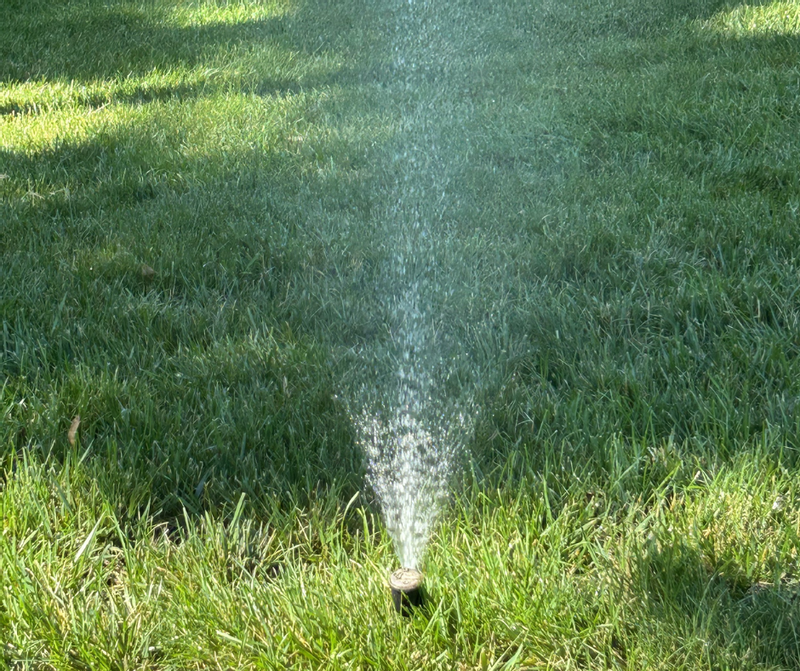
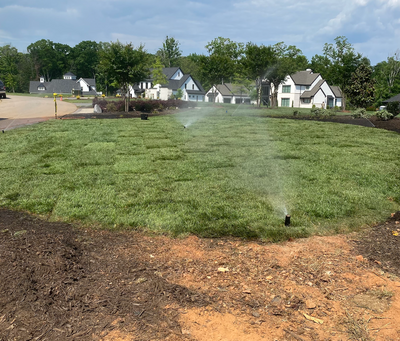
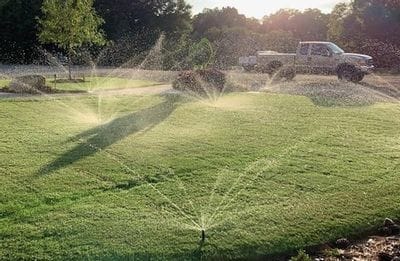
July water bills on commercial properties are rarely a surprise. But for most property managers in Charlotte and Statesville, they should be lower. Irrigation systems across NC run on static schedules set in spring, and by midsummer they're significantly overwatering. Turf that needed 20 minutes in April may need 35 in July. A zone running unchecked through a rainstorm burns water and budget with nothing to show for it.
Every July, Smart Irrigation Month — an initiative of the Irrigation Association — serves as the industry's annual reminder that the technology to fix this already exists. The question is whether it's been installed, programmed, and maintained correctly on your property.
What "Smart Irrigation" Actually Means
Smart irrigation is not just a newer controller on the wall. It's a system that responds to real-world conditions rather than a fixed calendar, making automatic adjustments based on what your turf and landscape actually need.
For commercial properties, smart irrigation means:
Weather-based scheduling that pauses or adjusts run times based on local rainfall and temperature data
Zone-by-zone runtime control so a shaded bed and a full-sun turf section aren't running on the same schedule
Flow monitoring that flags leaks and breaks automatically, before the damage shows up on the property or the bill
Remote visibility and control through platforms like Hunter Hydrawise, which gives your irrigation technician real-time system access without a site visit for every adjustment
The technology is proven. But a smart controller installed without proper integration and ongoing calibration doesn't deliver much over a conventional timer. The audit work behind the system is what makes it perform.
Where Commercial Properties Lose Water (and Money)
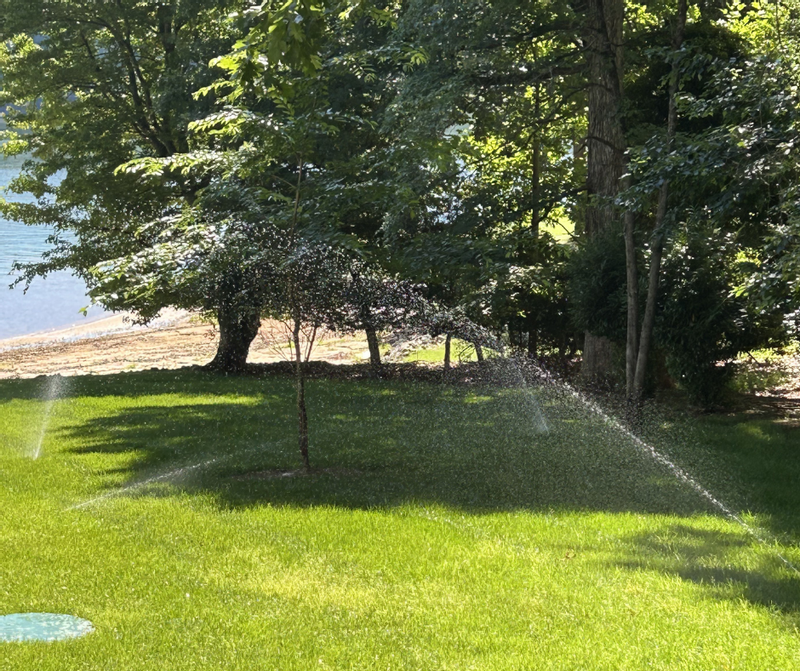
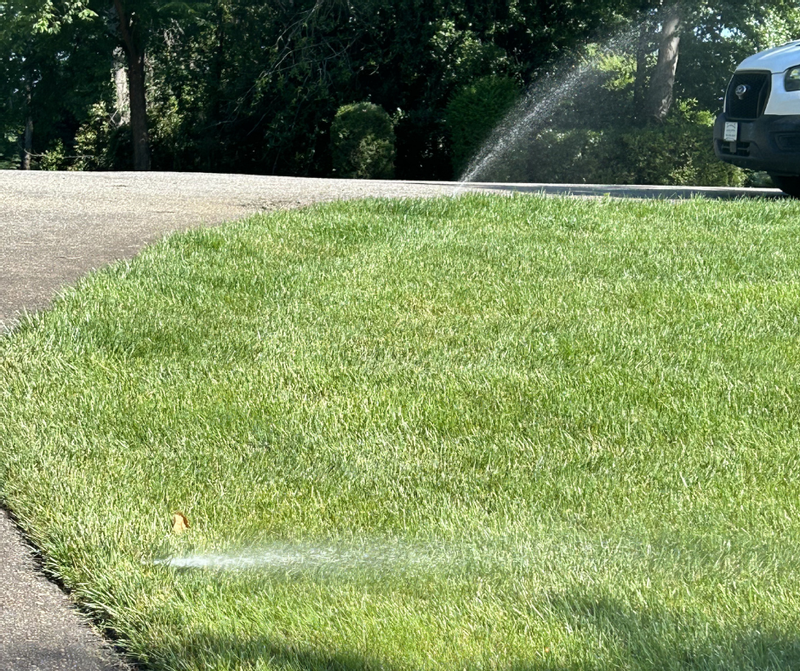
The most expensive irrigation problems are often invisible. A slow leak in a lateral line. A shifted head watering the parking lot edge instead of the turf. A controller running a July schedule that was programmed in March. None of these show up until the utility bill arrives or the turf tells you something is wrong.
Common failure points that a technician catches in a real audit:
Static schedules running through rain events, adding water a saturated landscape can't absorb
Heads shifted by mowing equipment, redirecting spray onto pavement or into beds instead of turf
Pressure issues pushing more water than zone demand requires, increasing volume without improving coverage
No flow monitoring, meaning slow leaks run silently for weeks and inflate utility costs with no surface indication
As we covered in detail in our post on commercial irrigation audits in NC, the difference between a real audit and a basic startup check is where most of this gets caught. A technician walking the system zone by zone with the water running will find what a clipboard walkthrough won't.
How Smart Controllers Change the Equation
Hunter Hydrawise is one of the platforms TJL integrates on commercial properties, and it's a meaningful upgrade over conventional controllers for property managers who want visibility and documentation built into the system.
What it changes in practice:
Schedules adjust automatically based on local weather data, reducing runtime after rainfall without requiring a manual call to your contractor
Remote access means a TJL technician can respond to a fault, push a schedule update, or verify system performance without a separate site visit for every change
Flow-based leak detection sends alerts when a zone's water use falls outside expected parameters, catching breaks before they become visible damage
The platform produces documentation your account manager can pull into board reports or ownership updates, turning an invisible service into a trackable line item
The right tool, properly integrated and regularly calibrated, changes what your irrigation program costs and what it protects.
Smart Controller Installation Is Only Half the Job
A smart controller that gets installed in April and never revisited still wastes water by July. Turf demand, weather patterns, and system condition all change through the season. The programming that was accurate at startup won't match what the property needs at peak summer.
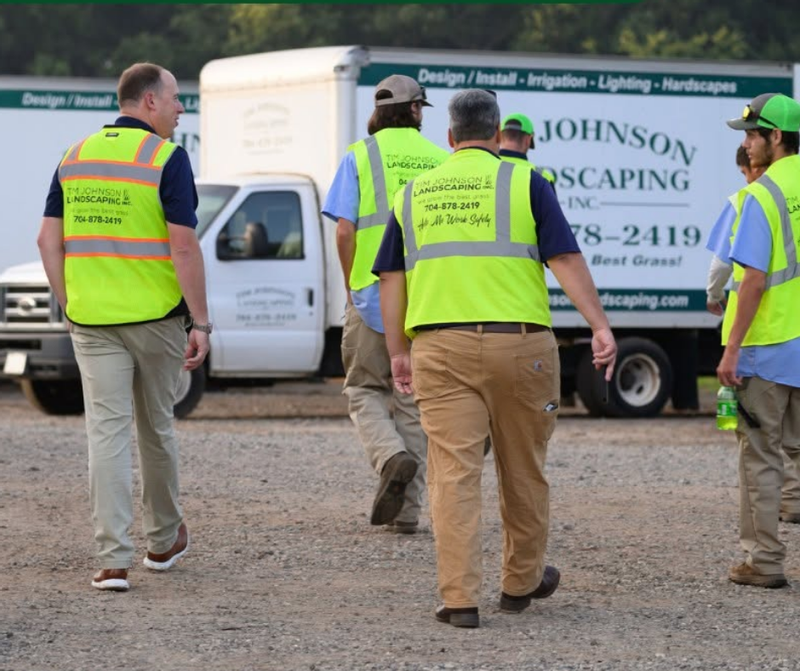
This is why TJL's irrigation program is built around monthly technician-led audits throughout the season, not a single startup and a fall shutdown. As we outlined in our post on commercial irrigation spring startup in Charlotte and Statesville, getting the season started right is the foundation. But the months in between are where most of the water savings and most of the avoidable damage live.
TJL handles the full scope: we audit your system, identify what upgrades make sense for your property, handle the installation and integration of smart controllers like Hunter Hydrawise, and continue monthly check-ins throughout the irrigation season. One contractor. One point of contact. Full documentation after every visit.
For HOA communities, multifamily properties, and Class A office campuses, that monthly cadence is what keeps the system performing and gives property managers something to show boards and ownership when questions arise.
Put Your Irrigation Program to Work This July
Smart Irrigation Month is a useful prompt to look at what your system is actually doing. If your property is running on a schedule that hasn't been reviewed since spring startup, that's where the water waste and the unnecessary spend are.
TJL provides full-service commercial irrigation programs across Charlotte and Statesville, from technician-led audits to Hunter Hydrawise installation and monthly monitoring throughout the season. If you're not sure what's being inspected on your property, that conversation is worth having.
Learn more about our commercial irrigation program or request a quote and we'll walk your system with you.
Serving HOA communities, multifamily properties, and commercial campuses across Statesville, Charlotte, and the greater Piedmont region.